
PRODUCTS
Activate
Acrylic Emulsion
Reduce air pollution and limit the spread of bacteria with Self-cleaning Activate paint
Environan Activate Paint contains photo-catalytic technology that actively reduces air borne pollutants and surface dirt build up by minimising surface adherence.
This keeps the surface cleaner and the air purer whilst providing anti-bacterial and mould resistance properties alongside the reduction of potential odours.
Environan Activate continuously works to reduce pollution [by up to 80%] and improve the environment. In creating a hydrophilic surface, external dirt is washed away with rainfall.
Environan Activate Paint can be applied in white or pastel shades.
Benefits Include:
- Significant reduction pollution.
- Self-cleaning properties and colour retention.
- Reduced maintenance and repair costs.
- Costs in line with traditional painting.


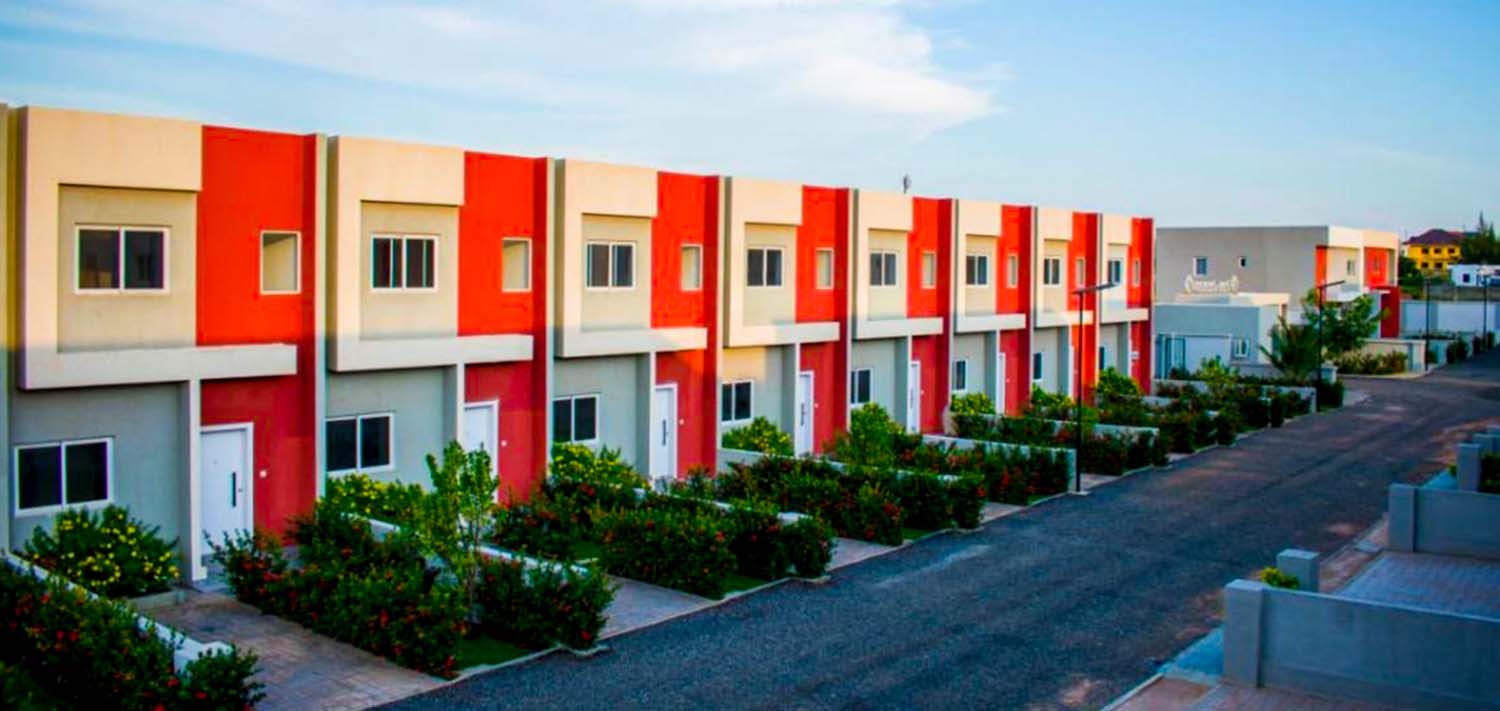

Acrylic Emulsion For Internal And External Surfaces
ENVIRONAN ACTIVATE is the first proven air cleaning paint with photo-catalytic technology. It uses energy
from natural or artificial light to break down noxious air pollutants and converts them into harmless
particles. Any surface coated with Activate becomes an air-purifying, anti-bacterial, de -odourising and
self-cleaning surface.
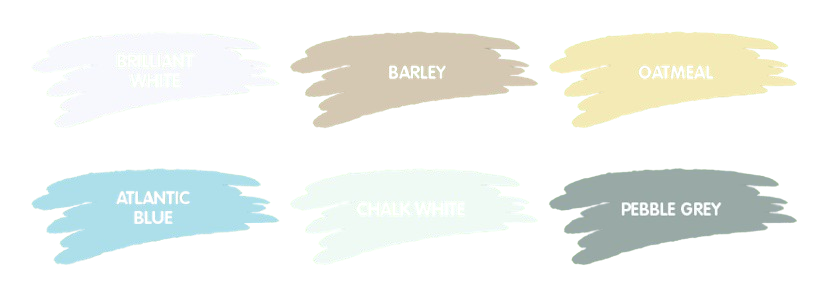
Environan offers a wide range of colours and can match to NCS for colouriser shades and tinting.
PLEASE NOTE
The colours shown above are illustrative of the range available.
Please contact us for more accurate colour samples.
About Acrylic Emulsion
Self-Cleaning + Anti-Bacterial + De-Odorizing
Where to Use/Uses and Limitations
- For use on most internal and external surfaces
- Approximate coverage per coat: 6 - 8m2 per litre
- Coverage is dependent on the nature of the surface
- 2 coats are normally required.
Preparation
Remove any loose and flaking material and fill holes and cracks with appropriate filler. Surfaces should be clean and dry, free from oils, grease, and dust and dirt contaminants. Glossy surfaces should be sanded to provide a key for improved adhesion. Porous surfaces should be sealed with appropriate sealer. Let dry overnight before rinsing with water to remove residue. Allow to dry before painting.
Application
Stir well before use. Apply with brush, roller or airless spray. Apply one or more coats as required, avoid spreading the paint too thinly and try not to re-paint areas that are still wet. Do not apply in damp or cold conditions below 10°C.
Job Complete
Touch dry in 2-3 hours. Re-coat in 2-3 hours. Replace lid firmly to ensure an airtight seal. Remove as much paint as possible from decorating tools before cleaning with warm soapy water, rinse
and dry thoroughly. Do not empty surplus paint into drains or watercourses. Some local authorities have special facilities for the disposal of waste coatings and paint, contact the appropriate authorities for details. Protect from frost and extremes of temperature. Keep out of direct sunlight.
Health & Safety
Keep out of the reach of children.
In case of contact with eyes, rinse immediately with plenty of water and
seek medical advice.
After contact with skin, wash immediately with plenty of water.
Wear suitable protective clothing and gloves.
Other Information
VOC (Volatile Organic Compounds) contribute to atmospheric pollution
EU limit value for this product (cat A/i): 140 g/l.
This product contains max 140 g/l VOC
For further information regarding this product call +44(0)750 6289644
How does Environan Activate work?
Environan Activate contains photo-catalytic technology, which is ultrafine titanium dioxide, (TiO2) that absorbs energy from light and transforms ordinary water vapour into hydroxyl radicals at the surface of the TiO2. These free radicals, created in billionths of a second, become the reactive species that break down noxious air pollutants
such as nitrogen oxides (NOx) that come into contact with the surface. Harmful NOx gas is converted to nitric acid that is rapidly neutralized by alkaline calcium carbonate particle in the paint, producing harmless quantities of calcium nitrate
and negligible amounts of carbon dioxide and water. Calcium nitrate is water soluble and easily removed from the film, leaving a fresh surface ready to engage the next pollutant to come into contact with the film.
A great advantage of this photo-catalytic reaction is that the ultrafine TiO2 is not consumed in the reaction, but is merely
a catalyst that continuously generates free radicals as long as there is sufficient light, air and moisture. Additionally, this
reaction gives the paint self-cleaning and anti-bacterial properties.
TiO2 has been shown to eliminate the spread of Healthcare Associated Infections (HCAI) including MRSA, E-coli, and
VRE to name a few.
Why should we worry about air pollution?
According to the World Health Organization,
- 3 million people are killed worldwide by outdoor air pollution every year.
- A study by the European Commission estimates that air pollution reduces the life expectancy of an EU citizen by
almost nine months.
- Globally more than 1.5 million deaths annually from respiratory infections are attributable to the environment.
- Indoor and outdoor air quality is two of the main environmental factors of concern for acute lower respiratory infections.
- Lung cancer causes the largest disease burden of all cancers globally, or about 15% of the burden of all cancers;
about 5% of lung cancers is attributable to outdoor air pollution.
- Exposures to outdoor air pollution accounted for approximately 2% of the global cardiopulmonary disease burden.
- An estimated 42% of chronic obstructive pulmonary disease (COPD) is attributable to environmental risks;
occupational exposures to airborne particulates were responsible for 12% of this global COPD disease burden.
- Outdoor environmental exposures, such as to poor air quality (e.g. smog), are also known to exacerbate asthma.
The National Health Service states:
“Air pollution from exhaust fumes kills more than twice as many people as road accidents, around 1,850 people die
in traffic accidents annually, but that each year over 5,000 people will die as a result of heart attacks and lung cancer
caused by vehicle exhaust fumes”.
What is NOx?
NOx are highly reactive gases containing nitrogen and oxygen. It is mostly generated by vehicle emissions, and has serious
health and environmental effects.